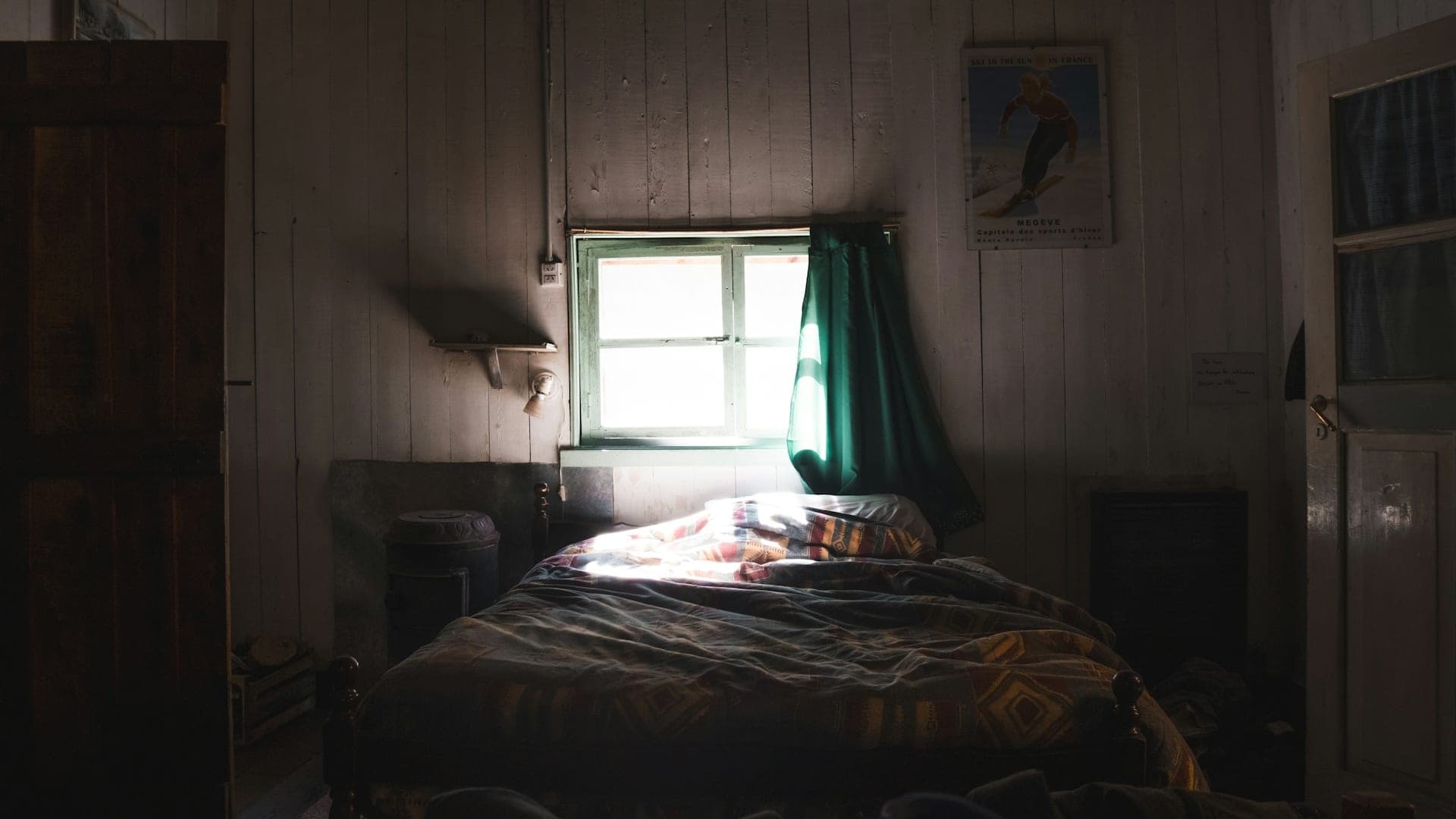
In a lot of tourism towns, the easiest seasonal housing to add is the spare bedroom that's already there. Renting a room in your house to a seasonal worker is simpler than buying a rental, but it's not free of rules. Two things surprise homeowners most. The federal Fair Housing exemption for owner-occupied homes is real, but it doesn't cover how you advertise. And in most states, the person in your spare room is still legally a tenant.
The full picture has three layers: federal fair housing law, your state's version of it, and your state's landlord-tenant law. Each one draws the lines in a different place.
What the federal owner-occupant exemption covers
The Fair Housing Act exempts some small owner-occupied rentals, often called the "Mrs. Murphy" exemption. Under 42 U.S.C. § 3603(b)(2), the Act's main anti-discrimination provisions don't apply to rooms or units in a dwelling where no more than four families live independently and the owner lives in one of them. A spare bedroom in the house you live in fits that description.
The exemption comes with a parenthetical that matters: it covers all of section 3604 "other than subsection (c)." Subsection (c) is the advertising rule. So even when you're exempt, any notice, statement, or ad that states a preference or limitation based on a protected class is still illegal under federal law. The federally protected classes are race, color, national origin, religion, sex, familial status, and disability.
In practice, you may be exempt in how you choose your renter. You're never exempt in what you post.
The roommate question
Taking a renter into the home you live in is closer to finding a roommate than running a rental, and one federal court has treated it that way. In Fair Housing Council v. Roommate.com, the Ninth Circuit held in 2012 that the Fair Housing Act doesn't apply to choosing a roommate in a shared living unit. That ruling binds federal courts in Alaska, Arizona, California, Hawaii, Idaho, Montana, Nevada, Oregon, and Washington. It isn't the law in the rest of the country, and it says nothing about state fair housing statutes, which can reach further.
HUD's 1995 advertising guidance addresses sex preferences in ads for single-family homes and separate units. Fair housing organizations read it to allow an ad for a room with shared living space to state the renter's sex. That's the only preference with any room at all. An ad for a room can never state a preference based on race, religion, national origin, disability, or familial status.
Your state may draw the line elsewhere
State fair housing laws usually cover more people and sometimes carve out different exemptions. Two examples from very different tourism regions:
Maine. The Maine Human Rights Act has its own owner-occupant exemption, written as the rental of not more than four rooms of a one-family dwelling occupied by the owner, or one unit of an owner-occupied two-family. The state also protects more classes than federal law does. According to the Maine Human Rights Commission, housing protections include ancestry, sexual orientation or gender identity, receipt of a final protection order, and receipt of public assistance. The statute's exemption has exceptions of its own, so a Carrabassett Valley homeowner renting to Sugarloaf staff should confirm with the Commission before relying on it.
Oregon. A homeowner in Astoria renting a room for the summer season sits inside the Ninth Circuit. The federal roommate ruling applies there, but Oregon's own fair housing law is enforced separately, by the Bureau of Labor and Industries. The federal case doesn't settle what state law allows.
The lesson holds in any state: find your state's fair housing agency, read its exemption language, and don't assume a federal exemption carries over.
Listing language: describe the room, not the renter
This is where exempt owners get into trouble. They know they can choose whom to live with, so they write the ad as if the ad were exempt too. It isn't. Each example below is non-compliant. TurnSeasons runs a fair housing filter on listings at submission that's built to catch language like this, but the rule applies wherever you post.
Non-compliant: "Room for a single young professional, no kids." Stating a preference for singles or against children is familial status discrimination in advertising. HUD's guidance says ads may not state a preference for adults, couples, or singles, or limit the number or ages of children. The owner-occupant exemption doesn't change that.
Non-compliant: "Christian household looking for a like-minded renter." That's a religious preference in an ad, which section 3604(c) prohibits whether or not you're exempt.
Non-compliant: "Must be able to climb stairs, no service animals." Both halves state a limitation based on disability, which section 3604(c) prohibits in ads even when the rental itself is exempt. If the room is up a flight of stairs, say so as a fact about the house: "second-floor bedroom."
Compliant: "Furnished bedroom in an owner-occupied home, shared kitchen and bath, second floor, no smoking, $X a month plus utilities, Nov. 15 to Apr. 20, one parking space." HUD's guidance lists descriptive terms like non-smoking and walk-up as fine, because they describe the property, not the person.
Screening follows the same logic. Set neutral criteria you can say out loud, like income relative to rent, references, and a lease term that matches the season, and apply them the same way to everyone who asks.
You're probably still a landlord under state law
Fair housing exemptions don't exempt you from landlord-tenant law. In most states, someone who pays you rent to live in your home is a tenant, with notice and deposit protections.
Maine shows how that works. A tenancy at will there ends with at least 30 days' written notice, and seven days only for specific causes like substantial damage, a nuisance, or rent seven or more days late. Sharing your kitchen with the renter doesn't shorten the timeline. Maine does exempt owner-occupied buildings of five units or fewer from its security-deposit statute. Other states have no such carve-out, and a few treat a single lodger in an owner-occupied home differently from a tenant. Look up your own state's landlord-tenant statute before you set the deposit or write the exit terms.
A fixed-term written lease that ends on the season's end date is the simplest protection you have. Everyone knows when the room turns over, and you aren't relying on at-will notice rules to get it back.
What to put in writing
Living together is where most room rentals go wrong. A one-page house agreement signed with the lease heads off most of it:
- Dates. Move-in, move-out, and whether the room is available for any shoulder-season gap.
- Money. Rent, deposit, what utilities are included, and how the renter pays you.
- Shared space. Kitchen hours or shelves, bathroom schedule, laundry, gear storage for skis or fishing waders.
- Guests. A maximum number of consecutive nights for anyone not on the lease, applied the same way to every renter.
- Parking and snow. Which space is theirs and who moves the car on plow days.
- Early exits. What happens if their job ends in February or they leave in June. The seasonal lease agreement basics cover early-termination clauses in more detail.
Taxes and insurance before the first rent check
Rent from a room is taxable income. IRS Publication 527 explains how to report it and how to split expenses between the rented room and the rest of the house. Some states also tax short stays. Maine charges its 9% tax on rentals of living quarters but, according to Maine Revenue Services, exempts certain stays over 28 continuous days, including someone living away from home for work. A whole season usually qualifies. A two-week gap-filler may not.
Call your insurance company before you list the room. Whether your homeowner's policy covers liability and damage with a paying renter in the house depends on the policy. Some insurers expect to be told, and the renter's own belongings usually need their own renter's policy.
When your terms are set, list your room on TurnSeasons. Your town's page shows the jobs your renters are likely coming for, whether that's seasonal jobs and housing in Carrabassett Valley for the winter or seasonal housing in Astoria for the summer.